
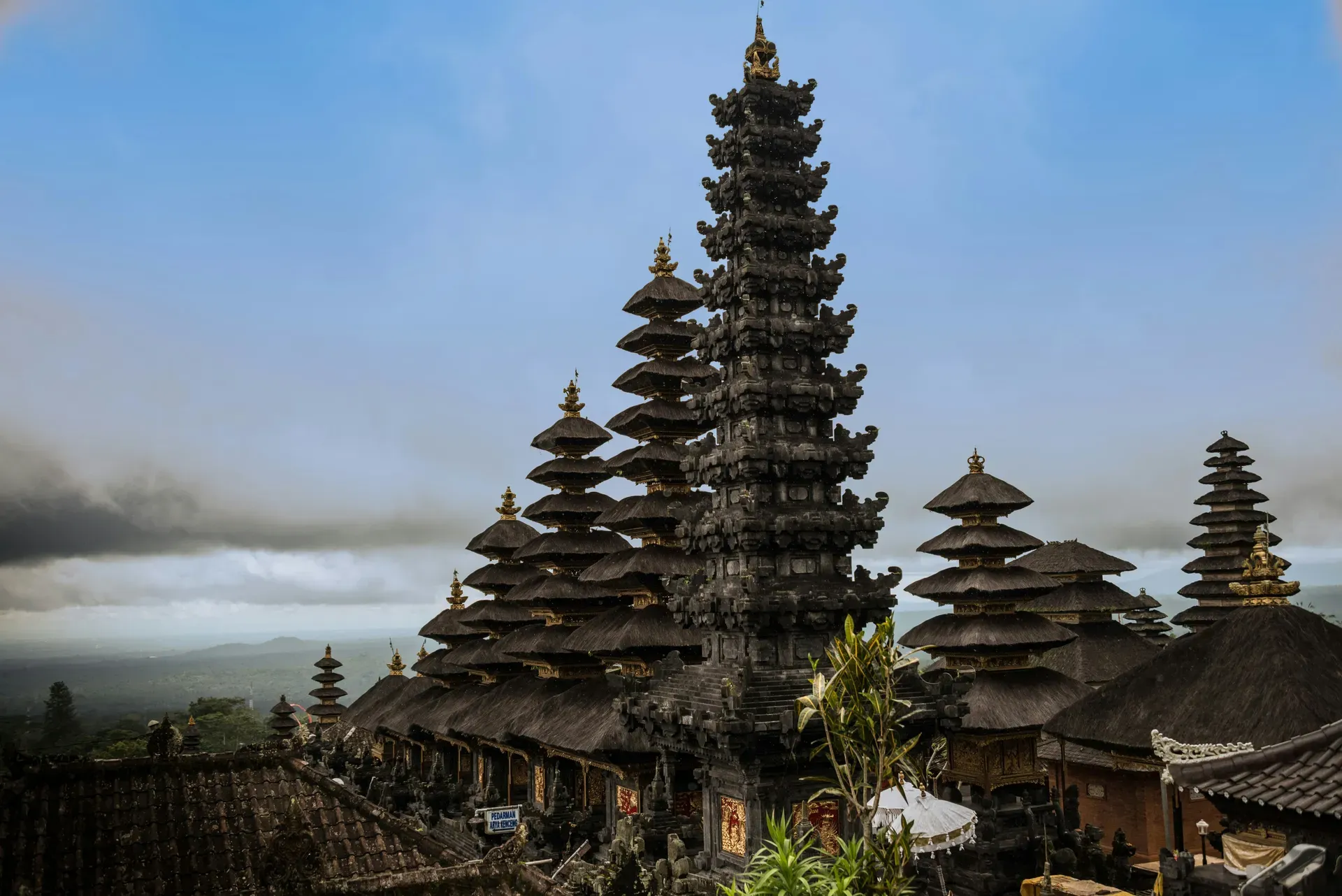
Built on six terraced levels at an elevation of 1,000 meters, Besakih Temple is a sprawling complex of 23 separate sanctuaries on the slopes of Mount Agung. The sacred site famously survived catastrophic lava flows in 1963 and remains the spiritual center of Balinese Hinduism.
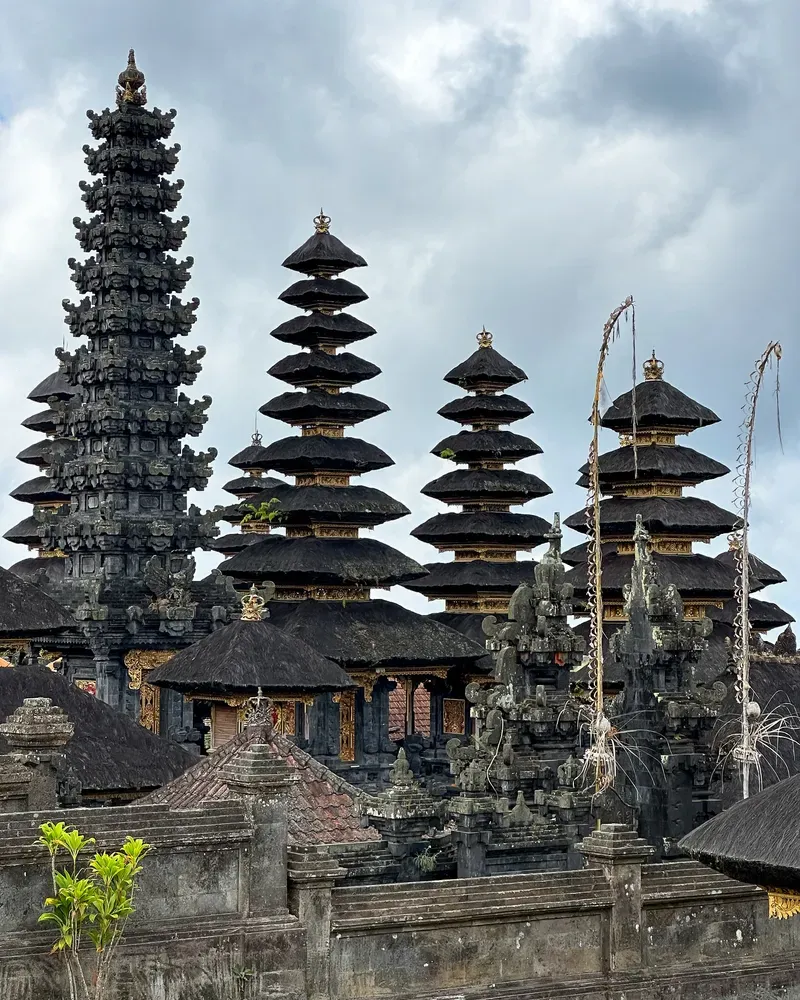
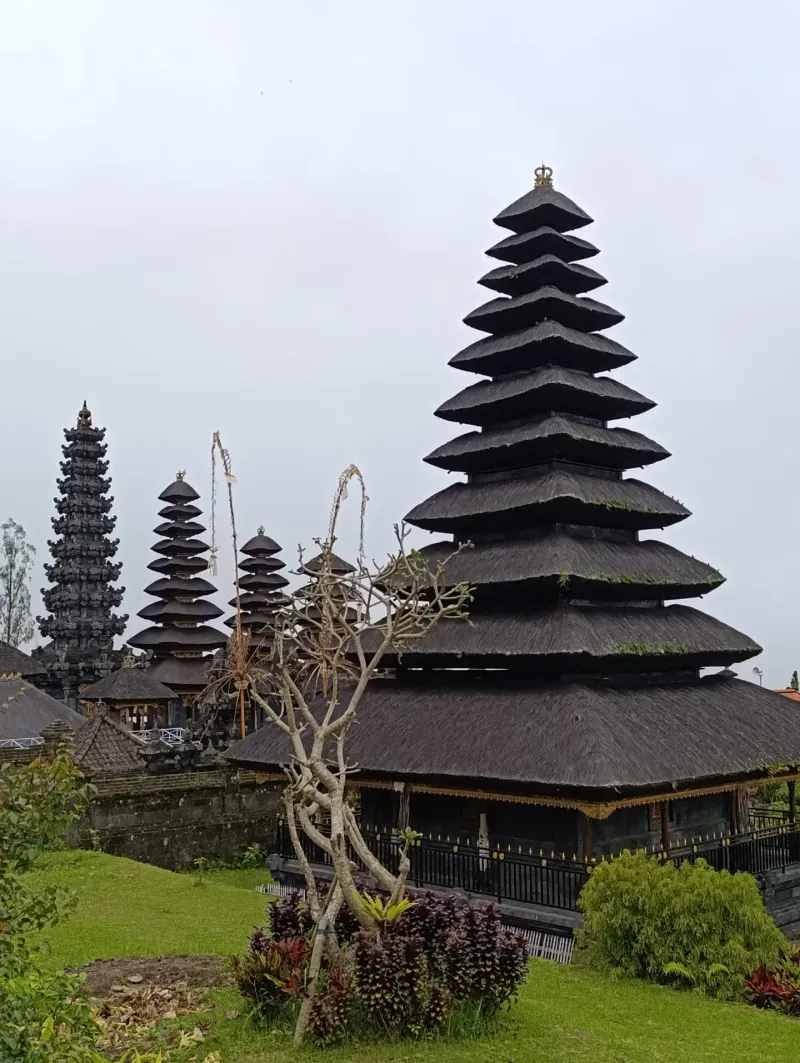
Find Guided ToursBesakih Temple, known locally as Pura Besakih, is the largest and holiest Hindu temple complex in Bali, Indonesia. Often called the "Mother Temple," this sanctuary sits at an elevation of 1,000 meters on the southwestern slopes of Mount Agung. The site extends over a 3-kilometer stretch and comprises 86 individual shrines grouped into 23 separate but related temples. These structures are built across six terraced levels, characterized by steep stone staircases, split gateways known as Candi Bentar, and thatched Meru towers reaching up to 11 tiers.
The complex serves as the spiritual center for Balinese Hinduism and is the most important of the island's directional temples, or Kahyangan Jagat. It holds a unique position in local culture as the only temple where Hindus of all castes and social classes are permitted to worship together. Its sacred status was further cemented during the catastrophic 1963 eruption of Mount Agung. Lava flows missed the structures by mere meters, an event locals regard as a divine miracle.
The foundations of Besakih date back to prehistoric times, as evidenced by megalithic stepped pyramids found at the site. The first recorded mention of the temple appears in an inscription from 1007 AD. In 1284, the Indian sage Rsi Markandeya significantly expanded the complex. By the 15th century, it had become the state temple of the Gelgel dynasty. The site has been on the UNESCO World Heritage tentative list since 1995.
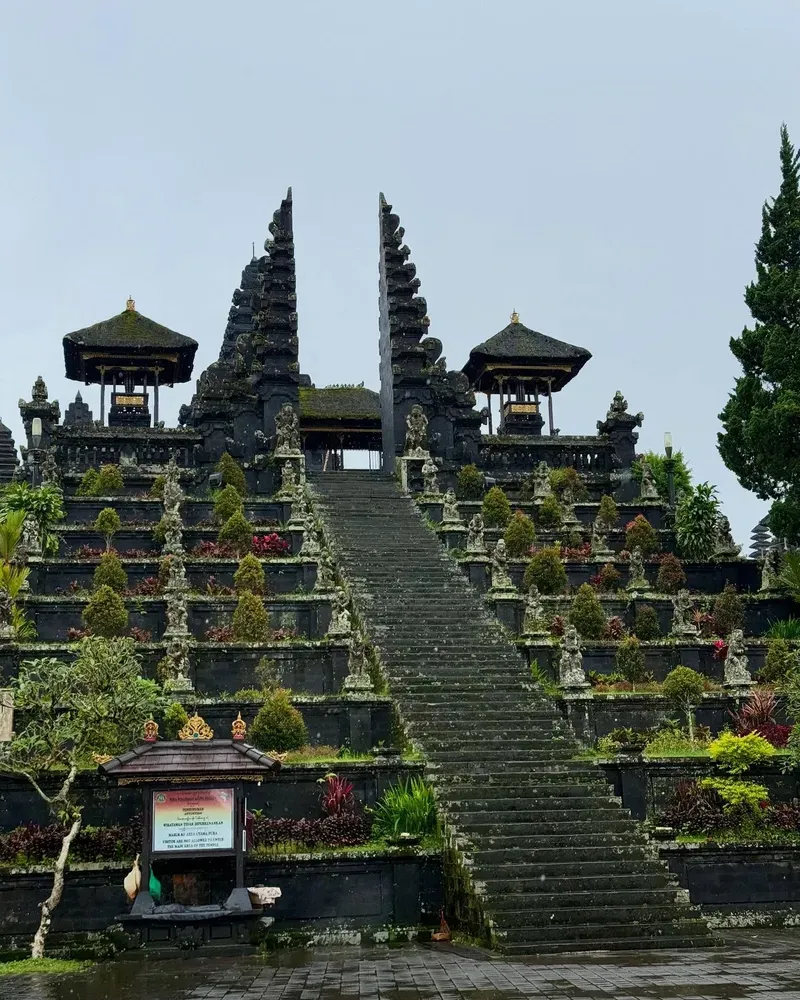
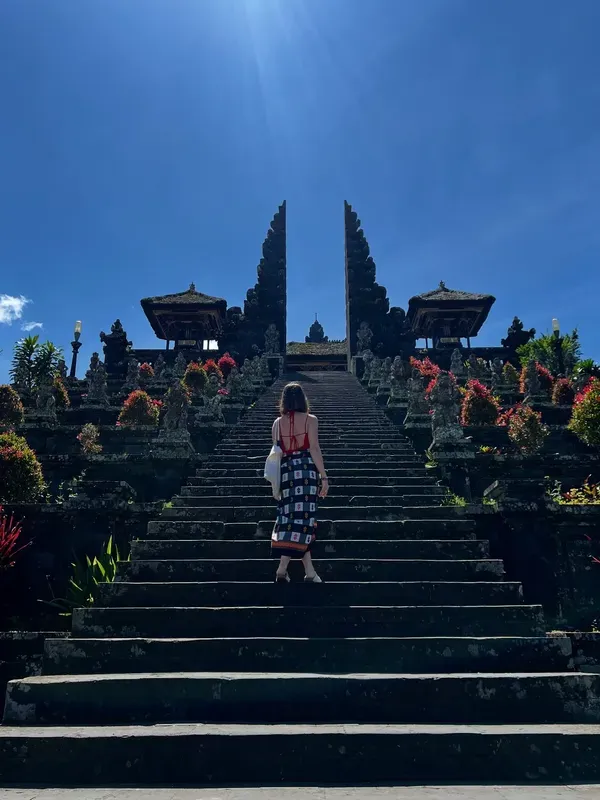
At the heart of the complex is Pura Penataran Agung. This central area features a massive staircase and contains 22 individual temples dedicated to Shiva. On clear days, the active volcano provides a dramatic backdrop for the multi-tiered pagodas, highlighting the close relationship between the physical geography of Mount Agung and the site's spiritual architecture.
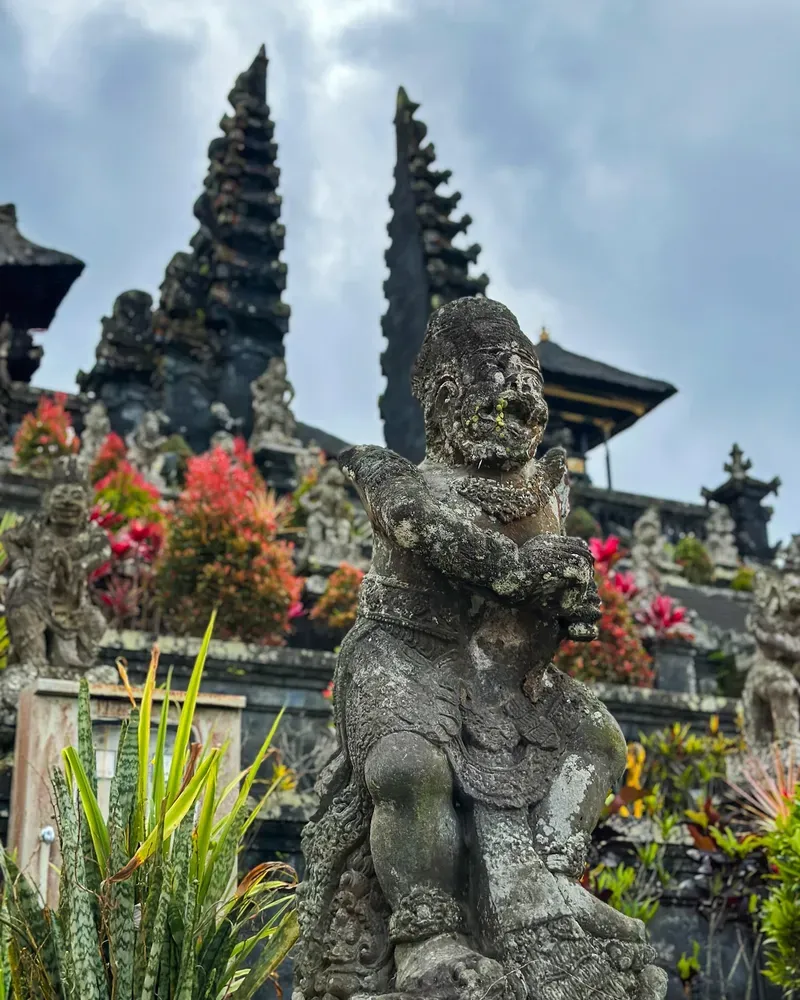
Discover the full history and cultural significance on our About page.
Pura Penataran Agung serves as the largest and most central temple in the complex. Visitors climb a massive stone staircase to view 22 individual temples dedicated to Shiva. Out of the 86 individual shrines located across the site, this central area acts as the primary focal point for Balinese Hinduism.
The complex sits at an elevation of 1,000 meters on the southwestern slopes of an active volcano. Arrive before 09:00 during the dry season to see Mount Agung clearly. The peak provides a dramatic frame for the thatched Meru towers, which reach up to 11 tiers high.
Navigate hundreds of steep stone steps across six terraced levels to reach Pura Pangubengan. As the highest temple in the complex, it requires a 30-minute uphill walk. The elevation rewards visitors with a secluded atmosphere away from the main crowds and expansive views over the lower courtyards.
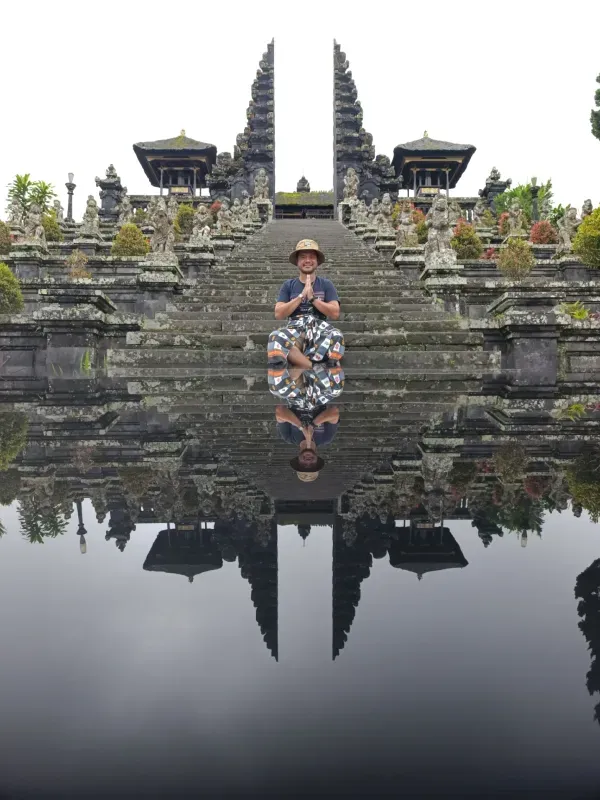
The Candi Bentar split gateway marks the main entrance to the sacred grounds. This towering structure symbolizes the division between the physical and spiritual worlds. Visitors can photograph the striking architectural feature from the outer and middle courtyards, capturing a distinct stone boundary that defines Balinese temple design.
Hand-picked tours with free cancellation and verified reviews
 Free Cancellation 9h
  Free Cancellation
  Free Cancellation 10h
  Free Cancellation 10h
  Free Cancellation
  Free Cancellation 10h
  Free Cancellation 8h
  Free Cancellation
 The ideal time to visit Besakih Temple is during the dry season from April to October. Arriving between 07:00 and 09:00 provides the clearest views of Mount Agung before clouds roll in and helps avoid midday heat and large tour crowds.
March falls in the rainy season, bringing slippery steps and the Nyepi closure. April and May begin the dry season, offering safer paths and the massive Bhatara Turun Kabeh festival.
These months sit squarely within the dry season. Visitors will find safer, less slippery stone steps across the six terraced levels and clear, dramatic views of Mount Agung.
September and October remain dry with excellent conditions for climbing the steep terrain. November begins the rainy season, bringing heavy downpours that obscure the volcano and create fall risks.
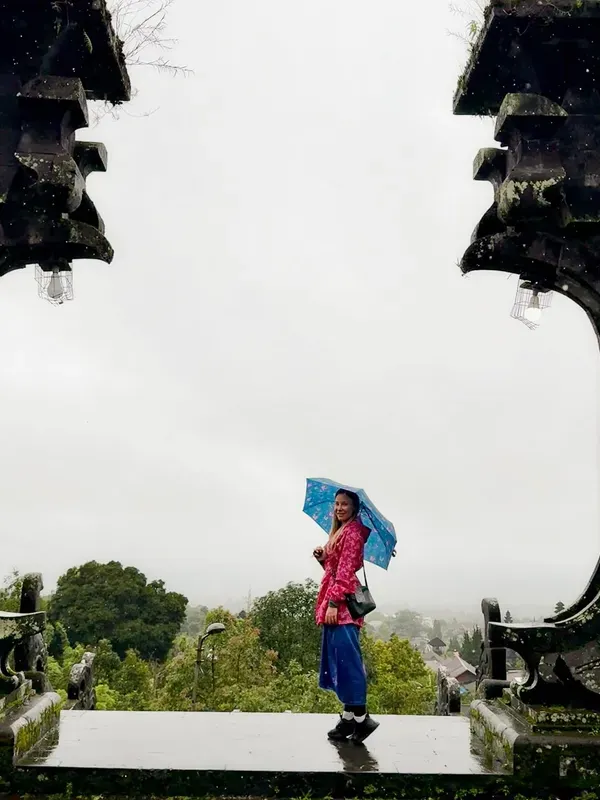
This period falls entirely within the rainy season. Heavy downpours frequently obscure the mountain peak and make the hundreds of steep stone steps extremely slippery and dangerous.
Besakih Temple is open daily from 07:00 to 18:00. The entire complex is closed to all visitors during Nyepi (the Balinese Day of Silence).
| Category | Price |
|---|---|
| International Visitor | 150,000 IDR |
No advance booking is required for standard visits. The ticket price includes a local guide, sarong and waist sash rental, and a one-way electric shuttle ride from the parking area to the temple entrance. Keep your physical ticket and wristband visible as proof of payment.
For complete schedules and ticket prices, visit our Hours & Fees page.
Reaching the temple complex requires traveling 55 kilometers from Denpasar up the southwestern slopes of Mount Agung. Visitors typically rely on private drivers or group tours to navigate the steep mountain roads.
Hiring a private car and driver is the most common and reliable method for reaching the temple. The 40-kilometer drive from Ubud takes approximately 1.5 hours depending on local traffic. Expect to pay around 800,000 IDR for the service. This fee generally covers a full-day vehicle hire of 8 to 10 hours.
Traveling from the southern tourist hubs of Kuta or Seminyak involves a 60-kilometer drive up to the mountain. The trip usually takes around 2.5 hours to complete. Travel times vary significantly based on heavy traffic conditions in the south. The standard rate remains 800,000 IDR for a full-day vehicle hire.
Renting a scooter provides flexibility for independent travelers heading to the mountain. A standard daily rental costs 150,000 IDR. Travel times and distances vary depending on your starting point in Bali. This option is recommended strictly for experienced riders. The route involves navigating steep mountain roads leading up to the 1,000-meter elevation.
Joining a group tour is a practical alternative for visitors staying in major tourist hubs. These excursions typically cost 600,000 IDR and last between 8 and 10 hours. The itinerary often bundles the temple visit with other notable East Bali attractions. Common stops include the Tirta Gangga Water Palace or Lempuyang Temple.
For detailed transport options and routes, visit our Directions page.
Plan to reach the temple between 07:00 and 09:00. Early arrival allows you to avoid the large tour bus crowds that typically appear after 10:00. This timing also provides the best chance to see Mount Agung clearly before morning clouds obscure the 1,000-meter elevation peak.
Ignore individuals outside the official ticket office who claim the temple is closed for a ceremony. These touts often offer access through a fake secret entrance for an inflated fee. Always use the official parking area and disregard anyone trying to direct you to private lots further away.
The 150,000 IDR international entrance fee covers several mandatory services. Keep your physical ticket and wristband visible at all times as proof of payment. This grants you access to an official local guide, sarong rental, and a five-minute electric shuttle ride from the parking terminal to the entrance.
The complex spans six terraced levels connected by hundreds of steep stone steps. Many sections lack handrails and become dangerously slippery when damp, particularly during the rainy season from November to March. Proper footwear is essential for the 30-minute climb to the highest temple, Pura Pangubengan.
Bring small bills in denominations of 10,000 to 20,000 IDR. You will need these for optional donations at smaller shrines or if you choose to tip your official guide. Politely but firmly decline flowers or offerings from aggressive vendors near the entrance, as they expect payment.
All visitors must wear a sarong and waist sash, with shoulders fully covered. Balinese Hindu tradition strictly prohibits women on their menstrual cycle and individuals with open wounds from entering the grounds. Tourists must also remain in the outer courtyards, as inner sanctums are reserved exclusively for worshippers.
This former royal palace features ornate water gardens and holy fountains. Visitors can navigate the grounds using a series of stepping stones. It highlights the region's historical architectural designs.
This unique waterfall is completely hidden inside a cave. It is famous for the distinct sunbeams that shine directly through the cavern roof. The enclosed location creates unusual natural lighting.
Lempuyang is another of Bali's most sacred directional temples. It is home to the highly photographed 'Gates of Heaven' structures. The location is widely recognized for its religious significance.
Read what travelers share about their experience visiting Besakih Temple — from practical tips to personal highlights.
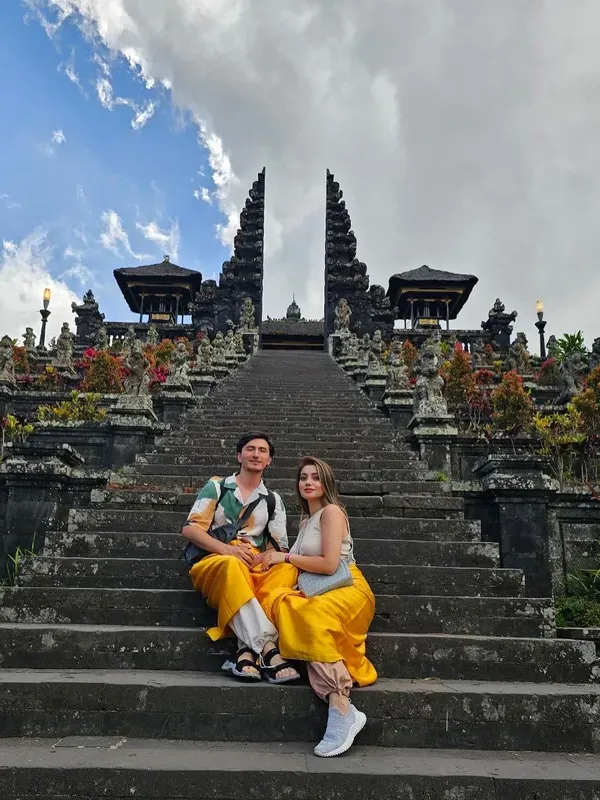
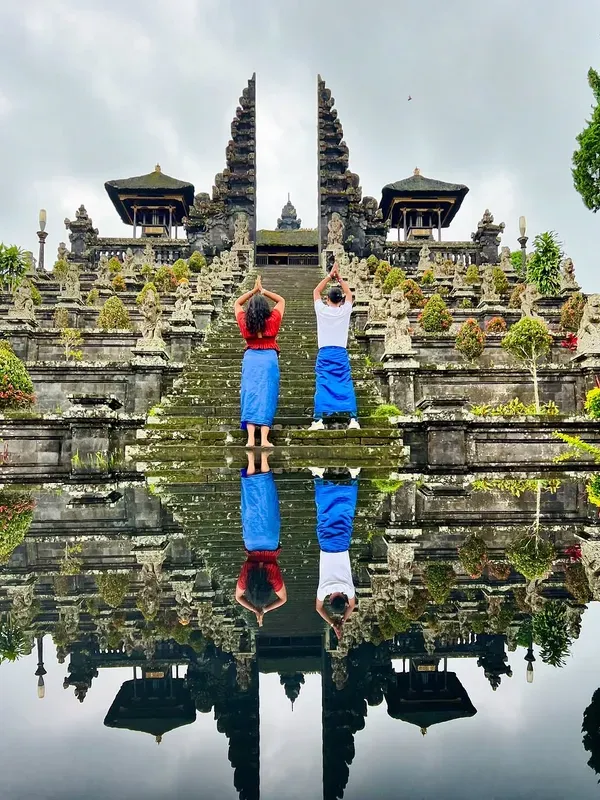
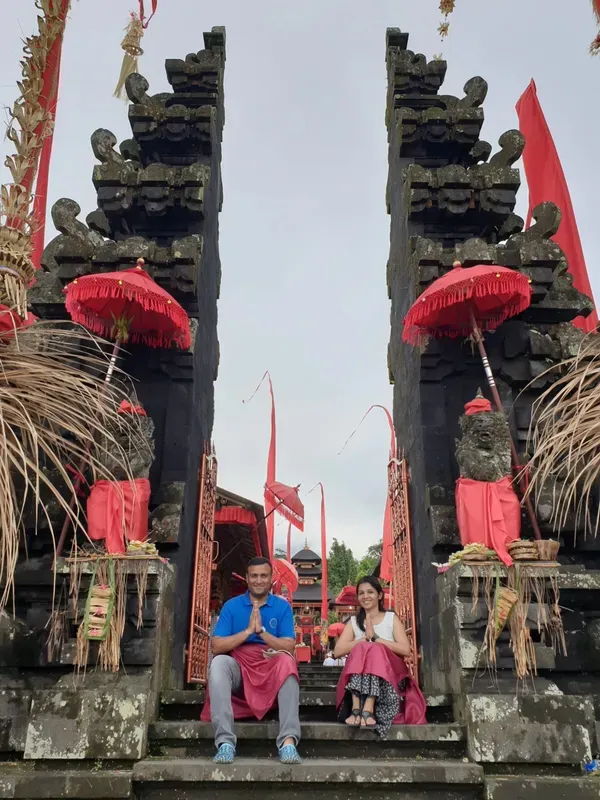
The international entrance fee is 150,000 IDR. This price includes a one-way electric shuttle ride from the parking area to the temple entrance, sarong and sash rental, and an official local guide.
The temple complex is open daily from 07:00 to 18:00. Arriving between 07:00 and 09:00 is highly recommended to avoid the large tour bus crowds that arrive after 10:00 and to see Mount Agung before clouds obscure the peak.
Hiring a private car with a driver for a full day, which typically costs around 800,000 IDR, is the most reliable method. The drive takes about 1.5 hours from Ubud (40 km) and roughly 2.5 hours from Kuta or Seminyak (60 km), depending on traffic.
Yes, visitors must adhere to a strict dress code that requires covered shoulders, a sarong, and a waist sash. The rental for the sarong and sash is included in your 150,000 IDR international entrance ticket.
No, the complex is not wheelchair accessible. It is built on steep volcanic slopes at an elevation of 1,000 meters and features hundreds of uneven stone steps. While some ramps exist, they are too steep for safe wheelchair use.
Standard visits do not require advance booking or entry permits, and an official local guide is provided when you purchase your ticket upon arrival. However, professional commercial filming or drone flights require a prior permit from the Karangasem Regency office.
No, Balinese Hindu custom strictly prohibits women who are menstruating from entering any temple grounds. This rule is enforced across the island to maintain ritual purity at sacred sites.
Exploring the complex requires significant uphill walking across six terraced levels and hundreds of steep stone steps. An average visit lasts about 2 hours, and climbing to the highest temple, Pura Pangubengan, takes approximately 30 minutes from the main area.
Browse verified tours with free cancellation and instant confirmation.
Find Tours